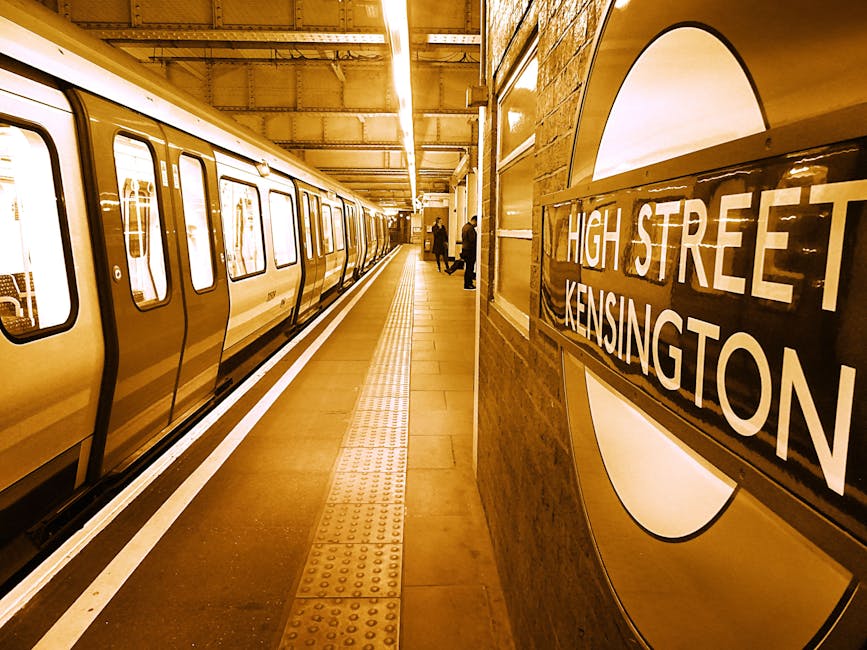
Kensington High Street furniture removals insider tips
Posted on 30/04/2026
Kensington High Street furniture removals insider tips: a practical local guide
Moving furniture around Kensington High Street is not the same as shifting a sofa across a quiet suburban cul-de-sac. The road is busy, access can be awkward, and timing matters more than people expect. If you are trying to move a flat, a family home, or even a single awkward sideboard, the right Kensington High Street furniture removals insider tips can save you time, money, and a fair bit of stress.
In this guide, we will walk through what actually makes removals on and around Kensington High Street trickier, how the process works in real life, and what experienced movers do differently. You will also find practical checklists, a comparison table, common mistakes to avoid, and a few local insights that tend to get missed. Truth be told, the small details are usually the ones that make the biggest difference.

Why Kensington High Street furniture removals insider tips Matters
Kensington High Street sits in one of London's more demanding moving environments. You are dealing with traffic, delivery restrictions, tight windows for loading, and often buildings that were not designed for modern bulky furniture. A smooth move here is rarely about brute force. It is about planning, timing, and knowing how to work with the local setting rather than against it.
That is why insider tips matter. A good move is not just "get the van and go." It is about choosing the right vehicle size, understanding lift access, protecting surfaces in communal areas, and keeping your furniture safe while moving it through stairwells or narrow hallways. If you are in a flat above a shop or in a mansion block with stricter access, these details can become the whole story.
There is also the human side of it. Most people do not move often. So when moving day arrives, even simple things like where to park, how long the lift is free, or whether the wardrobe actually fits through the door can suddenly feel like a puzzle. A bit of local know-how goes a long way.
If you want a broader view of moving options in the area, it can help to explore removal companies in Kensington or review the wider removal services available in Kensington before locking anything in.
How Kensington High Street furniture removals insider tips Works
In practical terms, furniture removals on Kensington High Street follow the same broad stages as any London move: survey, planning, packing, loading, transport, unloading, and placement. The difference is in the execution. Little inefficiencies can become big delays if the road is congested or access is restricted.
Here is the typical flow when things are done well:
- Assess the property - identify stairs, lifts, parking points, narrow entrances, and fragile items.
- Measure bulky furniture - sofas, wardrobes, beds, tables, mirrors, and office desks should all be checked against doorways and lift dimensions.
- Plan the vehicle and crew - a compact van, a larger removal van, or a man and van setup may all suit different jobs. Sometimes you need more people rather than a bigger vehicle.
- Prepare the furniture - remove legs, drawers, shelves, loose fittings, and anything that could shift in transit.
- Protect the route - floor runners, blankets, and corner protectors help avoid damage to communal spaces and furniture alike.
- Load in a sensible order - heavy, stable items first; fragile or awkward pieces secured last and kept from moving.
- Unload with room-by-room logic - this saves time and avoids the classic "where did that box go?" moment.
What separates a competent move from a stressful one is often the ability to see the hidden friction points before they happen. That means spotting a heavy chest of drawers that will snag on a turn, or realising the lift is too small for the mattress unless it is rotated a certain way. Small thing, big difference.
For people moving between flats or smaller properties, it can also be useful to look at flat removals in Kensington and, if you need a simpler transport-only option, man and van Kensington is often the most practical route.
Key Benefits and Practical Advantages
There are a few clear reasons why using insider tips for this kind of move pays off.
- Less wasted time - good planning reduces repeat trips, parking confusion, and waiting around for access.
- Lower damage risk - careful dismantling, wrapping, and route protection reduce scratches, chips, and scuffs.
- Better use of space - knowing how to load efficiently means fewer vehicles or fewer journeys.
- Less physical strain - moving heavy furniture badly is how people pull backs and trap fingers. Not glamorous, but very real.
- More predictable costs - when the scope is clear, quotes are usually more accurate and less likely to balloon.
- Calmer moving day - and honestly, that matters as much as anything else. Nobody enjoys a move that feels like a live demolition scene.
Another practical benefit is that a well-run furniture move tends to protect relationships as much as property. If you live in a managed block, neighbours and concierges notice whether the team is organised or making noise in the hallway for half an hour. A respectful, tidy approach keeps everyone onside. That sounds minor, but it is not.
If you are comparing full-service options, a focused look at furniture removals Kensington and the broader house removals Kensington page can help you understand what level of support makes sense.
Who This Is For and When It Makes Sense
This guide is most useful if you are:
- moving furniture from a Kensington High Street flat or townhouse
- relocating a room, not a whole property
- moving into or out of a managed building with access rules
- trying to keep costs down by planning the move yourself but still want expert-level guidance
- dealing with a last-minute move, awkward item, or same-day schedule
- moving office furniture or shared items near the High Street corridor
It also makes sense if your move includes a few higher-risk items: large mirrors, antique tables, marble tops, wardrobes with mirrored doors, or anything that chips if you look at it the wrong way. And yes, that is slightly dramatic, but anyone who has moved a glass cabinet through a tight stairwell knows the feeling.
Students and renters often benefit from a lighter version of the same approach, especially if they only have a few key pieces. If that sounds familiar, you might also find student removals in Kensington helpful. For time-sensitive situations, same day removals Kensington can be worth considering when plans shift at the last minute.
Step-by-Step Guidance
If you want a move that feels organised rather than chaotic, work through it in stages.
1. Start with a realistic inventory
List every large item. Do not just think of the big obvious pieces; include bedside tables, ottomans, disassembled bed frames, lamps, and anything in between. A small item count can still require careful handling if the furniture is awkward or fragile.
2. Measure the difficult points first
Measure the item, then the doorway, then the stair turn or lift. Many people do this backwards and only discover the problem at the threshold. A tape measure and five minutes can save a very long afternoon.
3. Decide what should be dismantled
Not every item needs to be taken apart, but some do. Beds, wardrobes, dining tables, and shelving units are often easier and safer in pieces. Keep screws, brackets, and fittings together in labelled bags. That sounds obvious, until one tiny bag disappears into a kettle box. Happens more than you would think.
4. Book access and parking early
If your property uses controlled access, concierge arrangements, or loading windows, confirm them in advance. On busier parts of Kensington High Street, parking can become the bottleneck. A van that cannot stop near the entrance can undo an otherwise perfect plan.
5. Protect the furniture and the route
Use blankets, bubble wrap where needed, and floor protection along the carrying route. In shared buildings, protecting walls and lifts is as much about courtesy as safety. It also reduces disputes later, which is never a bad thing.
6. Load with the exit in mind
The van should be packed so the first things you need at the destination are reachable. That means boxes for the bedroom near the back? No. Think ahead. Put the essentials in a place you can access without unpacking half the van.
7. Unpack with a simple room order
Start with beds, essential seating, and the items that make the property liveable. You do not need to unpack every decorative bowl on day one. Be kind to yourself. Moving is tiring enough already.
Expert Tips for Better Results
Here are the insider tips that usually separate a decent move from a smooth one.
Use the quietest time window you can get
Kensington High Street can be busy, especially during peak commuter hours and around shopping or dining periods. If you have flexibility, choose a calmer window. Early starts often help. A 7:00 a.m. load, for instance, can feel much easier than trying to squeeze through the afternoon rush. The street is simply less unforgiving before it wakes up properly.
Keep one "do not touch" box aside
This is the box for documents, chargers, keys, medications, tea bags, and anything else you will want immediately. It should travel with you, not get buried under a sofa cushion in the van.
Take photos before dismantling
Quick phone photos of furniture assembly points, cable layouts, or shelf positions can save a lot of frustration later. Especially with wardrobes and office furniture. Nobody wants to rebuild a desk based on memory at 9 p.m.
Communicate with the building manager or concierge
If your building has rules about lift padding, timings, or arrival notices, follow them. It is usually much easier to spend ten minutes checking than to spend an hour being politely blocked at reception. And yes, the polite block is still a block.
Choose the crew size for the access, not just the load
Sometimes a single van is fine, but if the route includes stairs, awkward corners, or multiple large items, extra hands can matter more than extra space. That is one of those things people only learn after one hard move.
Separate fragile and high-value pieces
Antiques, artwork, and specialist items need more than "wrap it in a blanket and hope." If you are moving a piano or anything similarly delicate, use a specialist service such as piano removals Kensington. A heavy item is one thing; a heavy delicate item is another altogether.
Keep your quote honest and detailed
The more accurate your description, the better the estimate. If you have unusually large furniture, limited access, or same-day timing, say so early. Good movers prefer clarity, not surprises. Nobody likes the surprise where the wardrobe turns out to be the size of a small conservatory.

Common Mistakes to Avoid
Most moving problems come from a short list of avoidable errors.
- Underestimating access issues - the van is only part of the job. The route matters just as much.
- Leaving dismantling until the moving crew arrives - that delay can ripple through the whole schedule.
- Not checking lift size - a wardrobe that fits in the flat may still fail at the lift door. Annoying, but common.
- Packing mixed rooms together - it slows unloading and makes the new place feel instantly cluttered.
- Forgetting building rules - some properties are stricter than people expect.
- Choosing price alone - the cheapest quote can be expensive if it leads to damage, delays, or a second trip.
- Ignoring storage needs - if there is a gap between moving out and moving in, you may need a temporary holding solution.
That last one catches people out a lot. If your completion date slips, or the new home is not quite ready, short-term storage can stop the whole move from falling apart. The sensible route is often to look at storage in Kensington before the pressure hits.
There is a related mistake people make with quotes: they ask for a general price without describing the property. Then they are surprised when the final figure changes. Fair enough, but the quote was never going to be magic.
Tools, Resources and Recommendations
You do not need a warehouse full of kit, but a few tools make furniture removals much easier and safer.
- Furniture blankets - protect wood, glass, and painted finishes.
- Ratchet straps - keep large items secure in the van.
- Labels and marker pens - especially useful for dismantled furniture and cables.
- Flat-pack tools - hex keys, screwdrivers, and a compact drill if appropriate.
- Gloves with grip - better handling, fewer slips.
- Tape and bags for fixings - because tiny screws have a talent for vanishing.
- Floor protection - for shared hallways, stairs, and entrance areas.
On the planning side, it helps to use a moving checklist, a simple room plan, and a contact list of key people: building manager, mover, landlord, and new property contact. If you are arranging packing materials, see packing and boxes Kensington for a more organised setup.
It can also be useful to understand the company behind the move. Reading about the team can tell you a lot about how they work, and if you want a quick question answered before booking, the contact page is the simplest next step.
Law, Compliance, Standards, or Best Practice
For most furniture removals, the main practical standards are not glamorous, but they are important. A reputable mover should handle goods carefully, operate safely, and be transparent about service terms. In the UK, that usually means clear booking terms, sensible insurance arrangements, and basic health and safety practices on site.
You do not need to memorise legal text to make a good choice. But you should check a few basics:
- Insurance - ask what cover is in place for handling and transit.
- Safety procedures - moving heavy items should not be done casually or recklessly.
- Terms and conditions - especially for timing, cancellations, access issues, and liability.
- Payment security - know how deposits and balances are handled.
- Privacy and data handling - if you share addresses, access codes, or contact details, the business should treat them responsibly.
For a more detailed look at these basics, the company pages on insurance and safety, health and safety policy, terms and conditions, and payment and security are worth reviewing.
Best practice is simple: choose movers who explain things clearly, do not oversell, and respect the practical realities of London property access. That tends to tell you more than a glossy pitch ever will.
Options, Methods, or Comparison Table
If you are deciding how to move furniture around Kensington High Street, the right option depends on volume, access, and how much help you want. Here is a straightforward comparison.
| Method | Best for | Pros | Watch-outs |
|---|---|---|---|
| DIY with hired van | Small, simple loads and confident movers | Lower direct cost, full control | More physical work, more risk, parking and timing are on you |
| Man and van | Single-item or small-to-medium moves | Flexible, efficient, usually easier for access-heavy streets | May not suit very large or complex moves without extra help |
| Full removal service | Flats, family homes, larger furniture loads | More support, better handling, usually less stress | Typically costs more than a simpler transport-only option |
| Specialist removals | Pianos, antiques, high-value or fragile furniture | Better protection, tailored handling | Needs more planning and may require a specific lead time |
There is no single "best" method for everyone. A one-bedroom flat with a few items may be ideal for a man and a van Kensington arrangement, while a family home move often needs the structure of a broader house removals Kensington service.
And if you are unsure, that is normal. Better to ask than guess wrong and spend the rest of the day improvising with a sofa stuck halfway in a stairwell. Nobody wants that story.
Case Study or Real-World Example
Imagine a typical Kensington High Street move: a second-floor flat, limited parking nearby, a lift that fits boxes comfortably but not a long wardrobe, and a couple of heavy pieces that cannot be carried safely by one person. The move is not huge, but it has enough friction points to become messy if left unplanned.
In a scenario like this, the smartest approach would be:
- confirm the lift size and any time restrictions in advance
- dismantle the wardrobe before moving day
- pre-wrap the mirror and table edges
- reserve the move for an earlier slot to reduce traffic pressure
- keep essentials and documents with the client rather than in the van
- use a smaller vehicle only if parking and access are tight enough to justify it
That kind of move often goes smoothly because the team is not trying to be heroic. They are just being methodical. No drama, no last-minute panic, no mystery scratches on the dining table. To be fair, that is what most people actually want.
For larger local moves, you can also compare the main Kensington removals service with the more specialised removal van Kensington option to match the job size more accurately.
Practical Checklist
Use this checklist the day before and on the morning of the move.
- All large furniture measured and compared with access points
- Parking and building access confirmed
- Lift booked or reserved if needed
- Furniture dismantled where appropriate
- Small fixings bagged and labelled
- Fragile items wrapped and marked clearly
- Floors and walls protected where needed
- Inventory completed
- Essentials box kept separate
- Keys, documents, chargers, and valuables set aside
- Quote, terms, and contact details saved to your phone
- Backup plan in case timing slips or storage becomes necessary
Expert summary: the smoothest Kensington High Street furniture moves are rarely the fanciest ones. They are the ones where access is checked early, furniture is prepared properly, and the right service level is chosen for the real conditions on the day.
Conclusion
Moving furniture on Kensington High Street can feel demanding, but it becomes much easier once you break it into practical steps. Measure carefully, plan access early, choose the right vehicle and crew size, and treat packing as part of the move rather than a separate job. Those are the real Kensington High Street furniture removals insider tips that save time and prevent headaches.
Whether you are moving a few prized pieces or a whole home, the key is to stay realistic about the street, the building, and your own energy on the day. A well-planned move is calmer, safer, and usually cheaper than a rushed one. That is the honest version.
If you are ready to talk through your move, review the service options, check the practical details, and then get in touch when you are ready. A short conversation now can save a lot of shuffling later.
Get a free quote today and see how much you can save.
And if nothing else, remember this: the best moving days are the ones that quietly disappear into memory because everything simply worked.